
How to Read Your PMS Schedule Like a Practice Owner
As a practice owner or office manager, understanding your dental practice management software (PMS) schedule is crucial for operational efficiency and…
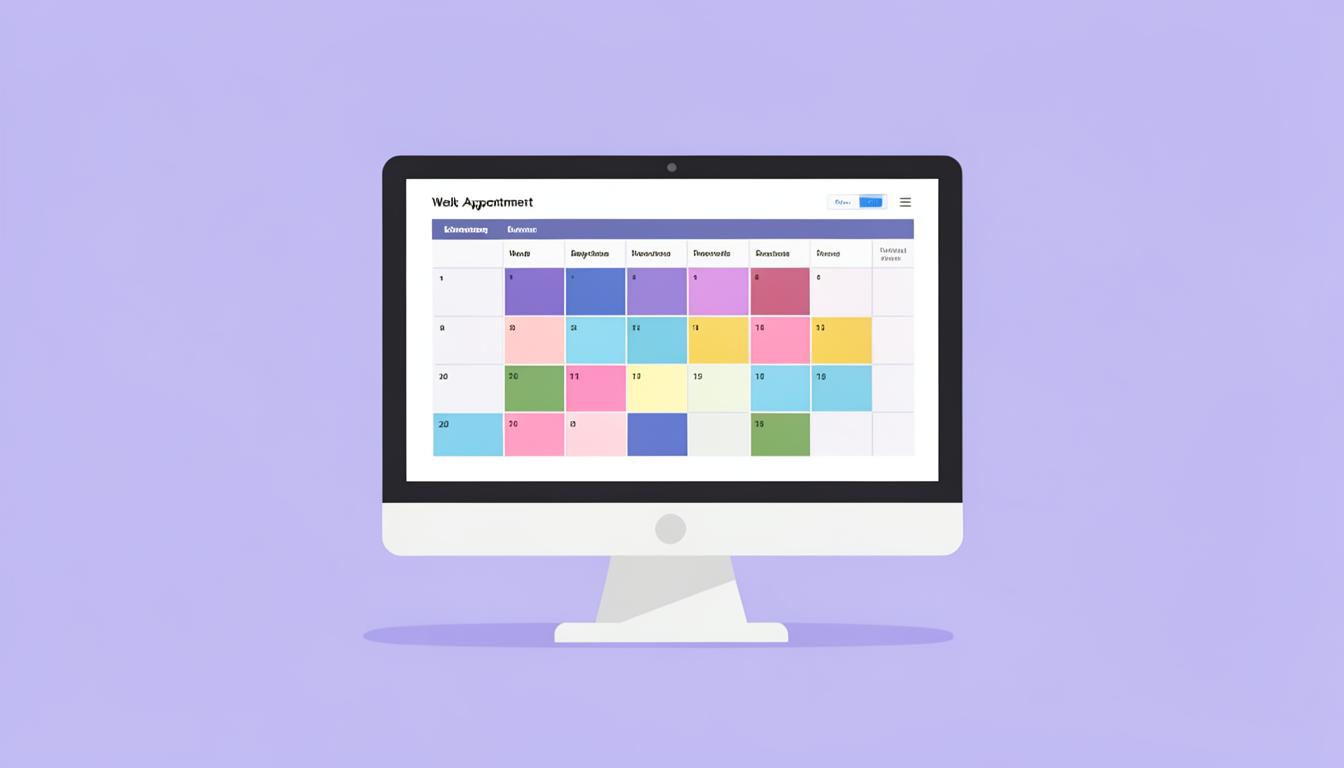
As a practice owner or office manager, understanding your dental practice management software (PMS) schedule is crucial for operational efficiency and profitability. It's more than just a list of appointments; it's a dynamic blueprint reflecting your practice's health. By learning to critically assess your dental schedule utilization, you can identify bottlenecks, optimize staff and provider time, and proactively manage patient flow. This guide will help you decipher key performance indicators embedded within your daily, weekly, and monthly schedules, allowing you to make data-driven decisions that impact your bottom line.
A well-managed schedule maximizes chair time, minimizes downtime, and ensures patients receive timely care. It directly influences your team's productivity and your practice's revenue potential. Focusing on specific metrics and patterns will transform your schedule from a simple booking tool into a powerful analytical instrument.
Understanding Dental Schedule Utilization: Beyond Just Full Chairs
Dental schedule utilization isn't merely about having every slot filled. It's about filling those slots with the right appointments, at the right time, with the right provider, to meet both patient needs and practice production goals. It encompasses efficiency, patient value, and operational flow.
Effective utilization means balancing routine check-ups with high-production procedures, ensuring an appropriate mix for your practice's financial health. It also involves strategically managing provider and auxiliary staff time. A fully booked schedule that consists primarily of low-reimbursement procedures may still indicate poor utilization from a production standpoint.
Reading Utilization: Appointment Mix and Flow
When you look at your schedule, don't just see names and times. See procedure types, provider assignments, and the logical flow of the day. Are high-value procedures strategically placed to allow for necessary prep and follow-up?
Consider the "flow" of your day. Does the schedule allow for smooth transitions between patients? Are there blocks of time dedicated to specific types of procedures, like restorative or hygiene, which can improve efficiency?
Identifying Gaps: Empty Slots and Lost Opportunities
Empty slots are more than just blank spaces; they represent lost potential revenue and wasted overhead. Pinpointing when and why these gaps occur is critical.
Look for patterns: Do gaps consistently appear during certain times of day, days of the week, or with specific providers? Understanding the cause, be it poor booking, high cancellations, or inefficient scheduling templates, is the first step to addressing it.
Provider Mix: Matching Skills to Needs
Each provider in your practice, from hygienists to specialists, brings unique skills and production potential. Your schedule should reflect an optimal deployment of these resources.
Are your most productive doctors performing tasks that could be delegated to auxiliaries? Are hygienists consistently booked, or are there opportunities to expand their services? An efficient provider mix ensures that everyone operates at the top of their licensure.
Production Per Column: Revenue Potential
Each "column" on your schedule typically represents a provider or operatory. The production value associated with each column is a direct indicator of its efficiency and contribution to the practice's overall revenue.
Monitor the type of procedures booked in each column. Aim for a healthy mix of production values that align with your practice's financial targets. Some PMS integrate with practice management software integrations to show projected production per column, making this analysis easier.
The Four Numbers to Check Every Morning
Before your practice opens its doors, a quick check of these four numbers will give you a snapshot of the day's potential and highlight any immediate areas for attention.
- Total Scheduled Production (Projected Revenue): This is the sum of the expected fees for all appointments booked for the day. It's your primary indicator of the day's financial health. Compare this to your daily production goal.
- Scheduled Hours (Provider & Operatory): Total hours booked for doctors, hygienists, and active operatories. This tells you how much of your available capacity is being utilized.
- Unfilled Slots (Number & Value): Count of open appointment slots, especially those for high-production procedures. This highlights immediate opportunities for fill-ins or outreach.
- Patient Count (New vs. Existing): The total number of patients scheduled, differentiating between new patient exams and established patient visits. This gives insight into your growth pipeline.
These metrics provide a starting point for daily operational decisions. If projected production is low, it might trigger a team discussion about recall outreach or cancellation protocols. High unfilled slots could prompt immediate efforts to contact patients on a waitlist.
What an Unhealthy Schedule Looks Like
An unhealthy schedule isn't always obvious; it can be subtly draining your practice's resources and stifling growth. Here are common indicators:
Consistent Unfilled Time (Gaps)
If you regularly see significant blocks of empty time, especially for high-production providers or operatories, it's a red flag. This might occur daily, or consistently on specific days of the week. It represents lost income and inefficient use of expensive resources.
Poor Appointment Mix
A schedule dominated by low-reimbursement procedures without a balance of higher-value treatments can lead to high volume but low profitability. You might be busy, but not productive enough to cover overhead and generate sufficient profit.
High Cancellation and No-Show Rates
Frequent last-minute cancellations and no-shows disrupt workflow and create immediate, hard-to-fill gaps. This points to potential issues with patient communication, confirmation processes, or a lack of perceived value for appointments. Track these rates weekly to identify trends and implement solutions like robust patient reminder systems or deposit policies.
Overbooking/Underbooking
Chronic overbooking leads to stressed staff, rushed appointments, and patient dissatisfaction due to long wait times. Underbooking, conversely, means underutilized resources. Both are symptoms of inefficient scheduling templates or inadequate staff training.
Inefficient Provider Utilization
If doctors are spending significant time on tasks that could be performed by a dental assistant or hygienist, or if operatories are sitting idle, your schedule isn't leveraging your team effectively. This wastes valuable professional time and reduces overall practice output.
Lack of New Patient Slots
A schedule that is consistently full with existing patients but has no dedicated or available slots for new patient exams can hinder growth. While retaining existing patients is vital, new patients are the lifeblood of a growing practice.
"Swiss Cheese" Schedule
This refers to a schedule filled with small, inefficient gaps throughout the day, making it impossible to fit in significant procedures. It's often a result of ad-hoc scheduling without adherence to structured templates. This type of schedule is frustrating for both staff and patients and severely limits production.
Identifying these patterns requires consistent monitoring and a proactive approach. Understanding what an unhealthy schedule looks like is the first step towards implementing strategic improvements for better practice management and growth.
Optimizing Your Schedule: Actionable Strategies
Once you've identified areas for improvement, implementing strategies to optimize your schedule becomes critical. Think of your schedule as a living document that needs constant refinement.
Implement and Adhere to Scheduling Templates
Templates are the backbone of an efficient schedule. They pre-allocate time for specific procedure types and lengths, ensuring an optimal mix of high-production and routine appointments. Develop templates for each provider and operatory.
- Block out time: Dedicate specific blocks for complex procedures (e.g., morning for crowns, afternoon for fillings).
- Buffer time: Include short buffers for unforeseen delays or quick patient education.
- New patient slots: Reserve specific times daily or weekly for new patient exams to ensure growth.
Proactive Cancellation and Reappointment Strategies
Don't just react to cancellations; anticipate them. Implement a robust confirmation system (text, email, phone) and have a clear protocol for filling last-minute openings.
- Waitlist: Maintain an active waitlist of patients willing to come in on short notice.
- "Call for" lists: Patients needing specific procedures who could fill a gap.
- Early confirmation: Confirm appointments 24-48 hours in advance.
Regular Schedule Reviews with Your Team
Make schedule review a daily or weekly team huddle item. Discuss projected production, identify gaps, and brainstorm solutions together. This fosters team ownership and accountability.
Utilize Technology for Efficiency
Leverage your PMS features to their fullest. Many modern systems offer advanced analytics, automated reminders, and even AI-powered scheduling suggestions. Consider tools mentioned in The Dental Practice Tech Stack to enhance your scheduling capabilities.
Here’s a snapshot of common scheduling considerations and their impact:
| Scheduling Factor | Impact on Practice | Optimization Strategy |
|---|---|---|
| Appointment Gaps | Lost revenue, inefficient staff time | Implement waitlists, recall lists, same-day outreach |
| High No-Shows/Cancellations | Disrupts flow, reduces production | Automated confirmations, deposit policies, patient education |
| Poor Procedure Mix | Low profitability, burnout from routine tasks | Scheduling templates for high-value procedures, strategic booking |
| Provider Overload | Staff stress, patient wait times, potential errors | Delegate tasks, refine templates, adjust provider capacity |
| New Patient Access | Stagnant growth, reliance on existing patient base | Dedicated new patient slots, efficient onboarding process |
By systematically addressing these areas, you can transform an unhealthy or underperforming schedule into a dynamic asset that drives practice growth and profitability. Proactive management of your schedule is not just an administrative task; it's a strategic imperative for any successful dental practice.
FAQs
What is dental schedule utilization and why is it important?
Dental schedule utilization refers to how effectively a dental practice uses its available appointment slots, provider time, and operatory capacity to maximize patient care and production. It's crucial because it directly impacts a practice's profitability, efficiency, and ability to meet its financial goals, ensuring that resources are not wasted.
How can I identify if my schedule has too many gaps?
To identify schedule gaps, regularly review your daily and weekly schedules for consistent open blocks of time, especially for high-production providers or operatories. Look for patterns in when these gaps occur, such as specific days of the week or times of day, which can indicate underlying scheduling template issues or patient demand fluctuations.
What's the difference between overbooking and efficient scheduling?
Overbooking involves deliberately scheduling more patients than can reasonably be seen within a given timeframe, often leading to long wait times and rushed appointments. Efficient scheduling, however, optimizes flow and capacity by using templates, strategically placing appointments, and minimizing dead time, all while maintaining patient and staff satisfaction without creating undue stress.
How often should I review my practice's schedule performance?
You should review your schedule performance daily for immediate operational adjustments and weekly for strategic insights and trend analysis. A monthly review can help assess long-term patterns, identify opportunities for template refinement, and track key metrics like new patient acquisition and production goals against actual performance.
Optimizing your dental schedule is an ongoing process that requires vigilance and strategic thinking. By mastering these principles, you can ensure your practice operates at its peak efficiency. Schedule a demo.